

Engineering, Data, Implementation
I connect engineering thinking, data intelligence, and digital implementation — with the ambition to develop solutions that are not only convincing in concept, but also work under real-world conditions.
Opening
Engineering, Data, Implementation
I connect engineering thinking, data intelligence, and digital implementation — with the ambition to develop solutions that are not only convincing in concept, but also work under real-world conditions.
I am interested in technical systems. But I am equally interested in how to make my own way of working clearer, more intentional, and more effective. For me, these two levels belong together: anyone who wants to understand complex systems must also take their own thinking, working, and decision-making processes seriously.
Where I come from
Where I Come From, Where I Think Toward
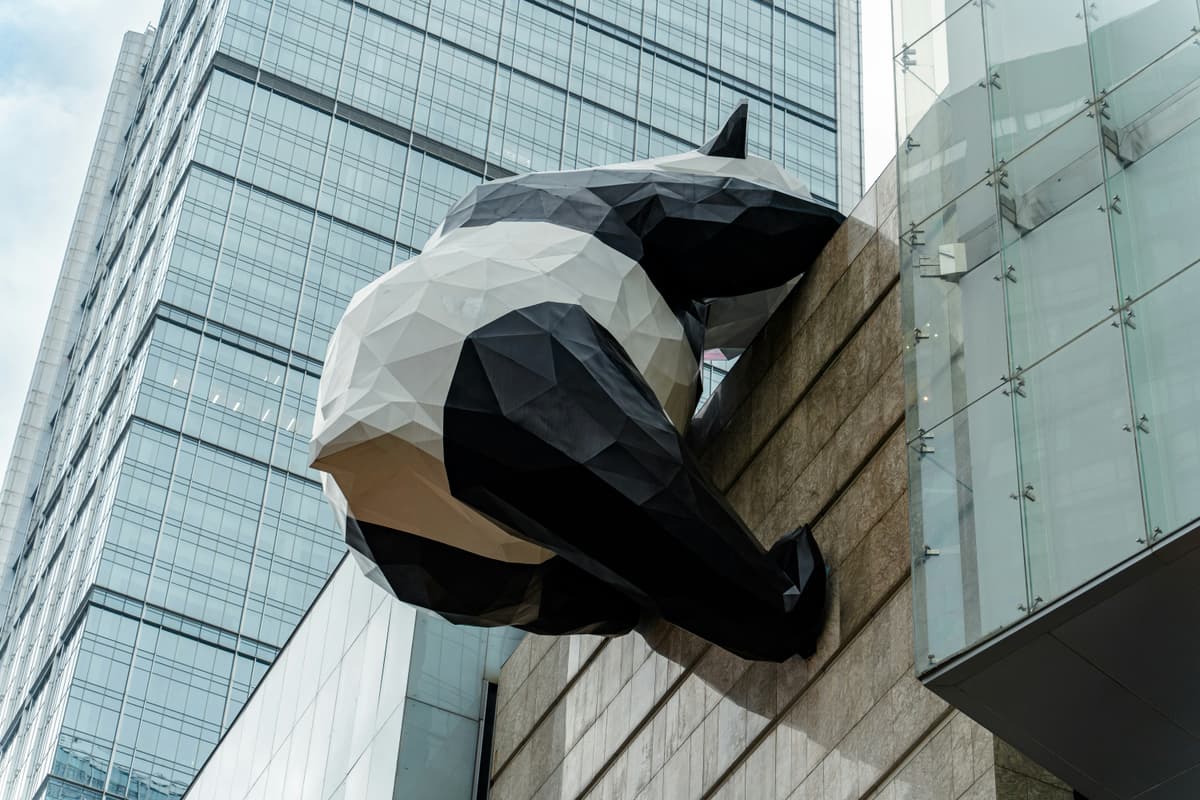
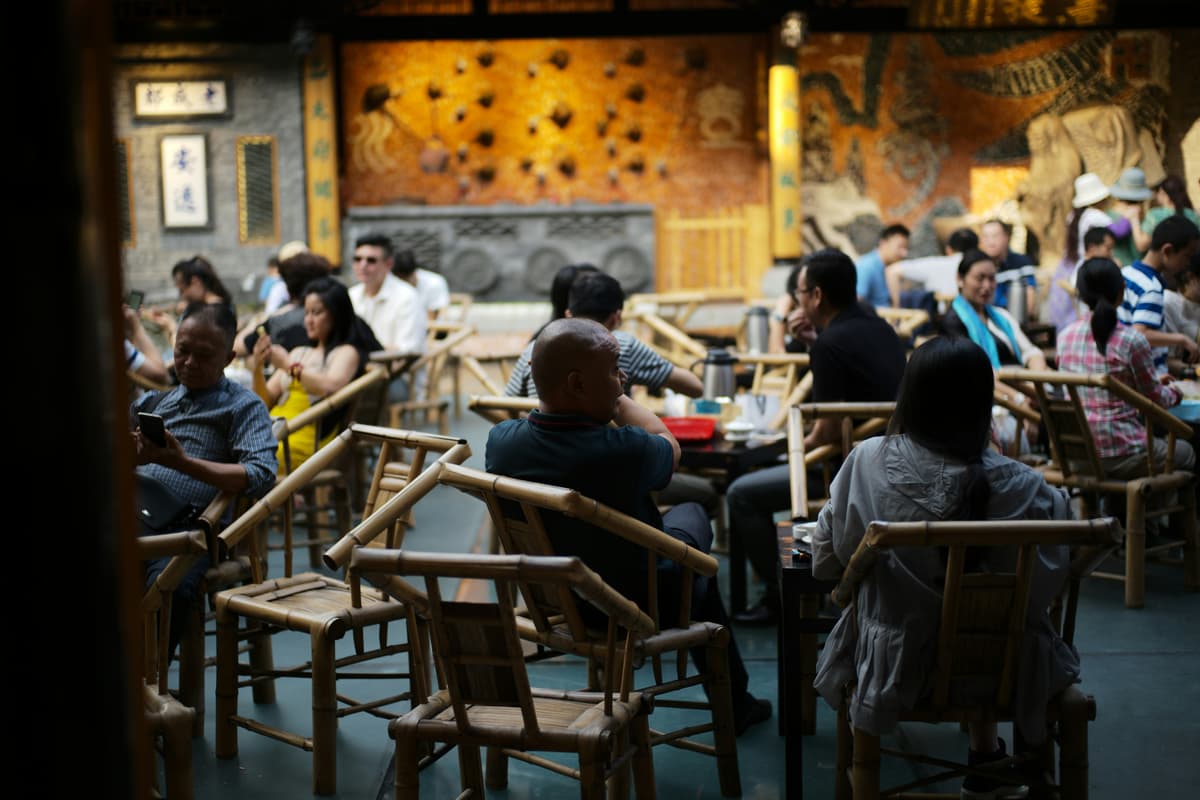
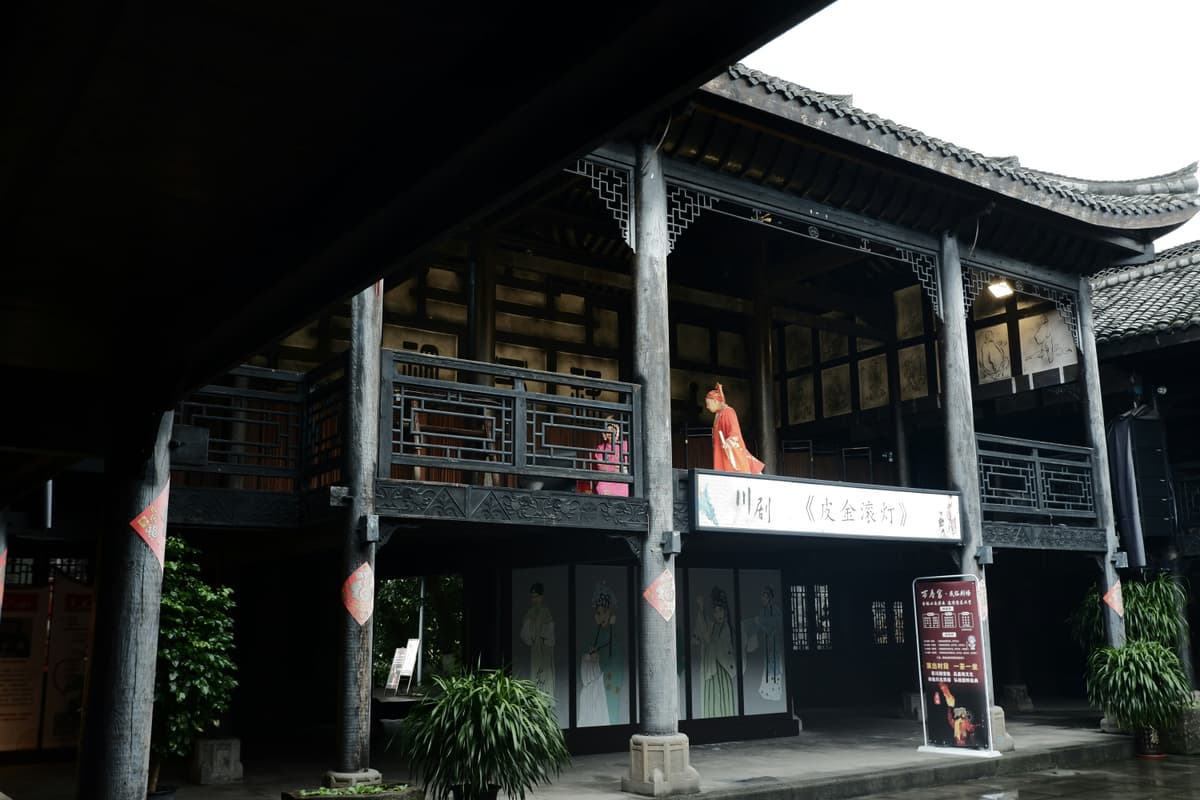
I come from Chengdu, one of the most dynamic economic and manufacturing centers in Southwest China. It is a city where deeply rooted regional culture, economic energy, and modern industry exist side by side. Chengdu is the home of the giant panda, known for its cuisine, and at the same time one of the most open, livable, and vibrant cities in modern China.
This environment shaped my understanding of industrialization, automation, and transformation early on: tradition and the future are not opposites there — they grow into one another.
I completed my bachelor’s studies in Dalian, a coastal city with a strong industrial heritage. There, I gained a concrete understanding of how traditional heavy industry, modern manufacturing, and digital transformation interact — not as abstract buzzwords, but as real changes in cities, industries, processes, and ways of working.
Why Germany
Not Just Precision, But Character
Later, my path led me to Germany. What shaped me here was far more than an academic degree: it was engineering precision, methodical thinking, and the commitment not only to start things, but to think them through to the end.
Germany sharpened my perspective on technology. A system must do more than simply function. It must be comprehensible, verifiable, resilient, and reliable in the long term.
My current perspective emerged from the intersection of Asian production efficiency and German engineering culture: I enjoy thinking between worlds — between speed and thoroughness, between theoretical research and industrial practice, between physical system reality and digital implementation.
In practical terms, this means that I combine classical engineering with data-driven intelligence, and technical depth with clear application — translating ideas into solutions that actually work under real-world conditions.
This is where I see the true value of technology: not as an end in itself, but as a means to make real-world problems more precisely visible, to improve decisions, and to empower people to take action.
How I work
Treating Work as a System
I try not only to complete work, but to understand it as a system: Which steps repeat themselves? Where does friction arise? Which tasks truly require human attention — and which can be relieved through better processes, better tools, or automation?
For me, good automation does not mean blindly accelerating everything. It should give people more room to act: fewer repetitive routines, less unnecessary complexity, and more focus on decisions, quality, and real problem-solving.
Reflection is an important part of the way I work. I try to recognize patterns in past decisions: What truly worked? What only seemed efficient? Where was the real problem? This way of thinking helps me not only optimize individual tasks, but also improve working methods in the long term.
At the same time, it is important to me to stay open. I like trying out new methods, discussing ideas, and questioning my own assumptions. Technical competence is built not only through knowledge, but also through the ability to shift perspectives.
Beyond the AI label
AI as a Tool, Not a Label
I am interested in AI not as a label, but as a tool that must work within real systems. Especially in industrial environments, it is not enough to build models that look good on paper. What matters is whether they can be integrated into existing processes, data structures, IT landscapes, and human workflows.
That is why I always think about AI, data, and automation in three directions:
Reality Orientation
No algorithms that ignore physical boundaries, production constraints, or data quality.
Integration
No isolated solutions that exist next to the existing infrastructure but are not used in everyday work.
Human Usability
No automation developed past the actual needs of the people who use it.
I do not believe that every wheel has to be reinvented. Often, the greatest progress does not come from building everything from scratch, but from intelligent adaptation: understanding proven methods, transferring them deliberately, validating them carefully, and developing them further until they become productive under real-world conditions.
Chengdu · Glimpses of Light
My hometown wears many faces. These are the ones seen by those who passed through — and those who stayed.














.jpg&w=1200&q=75)










.jpg&w=1200&q=75)
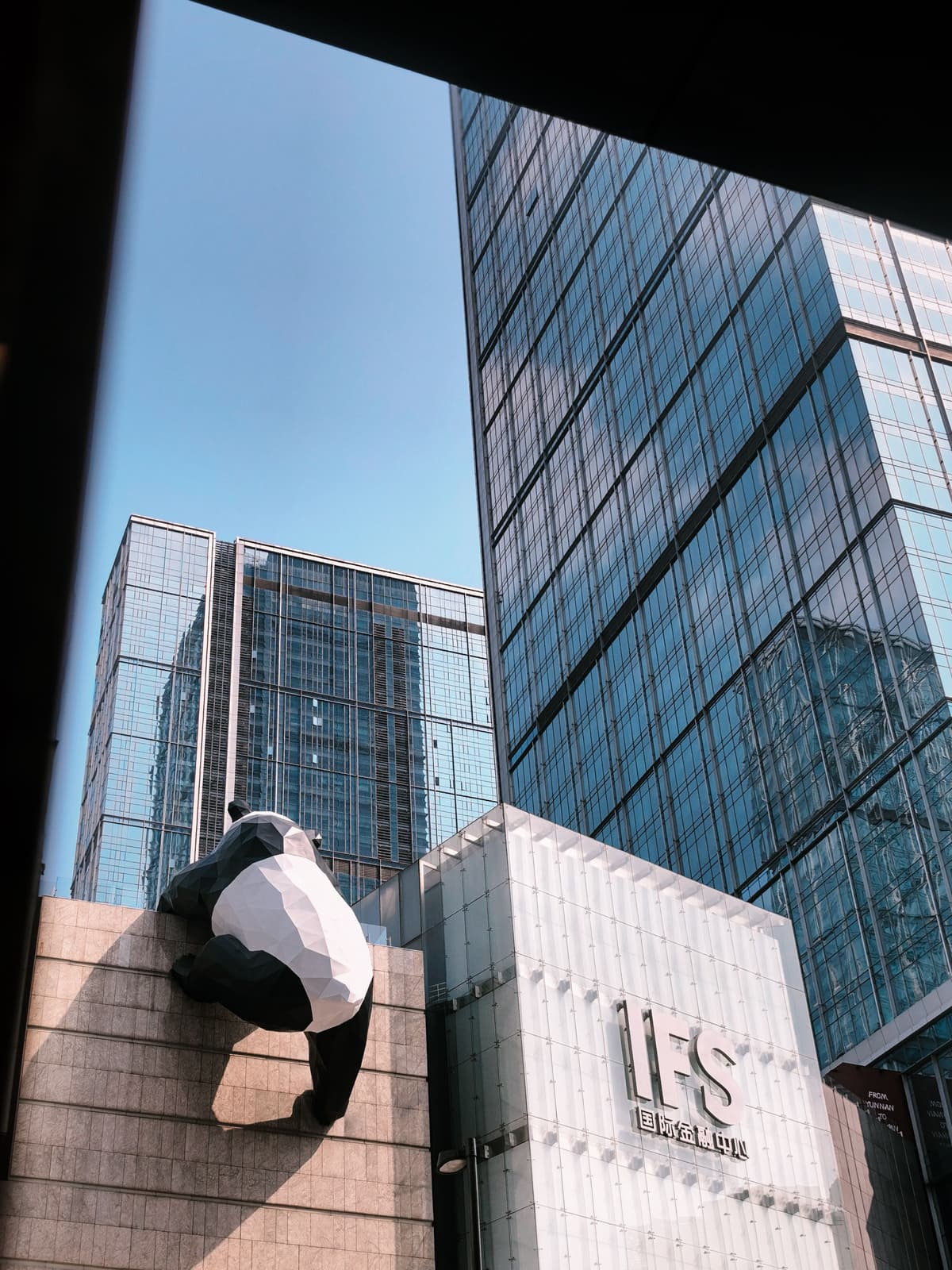
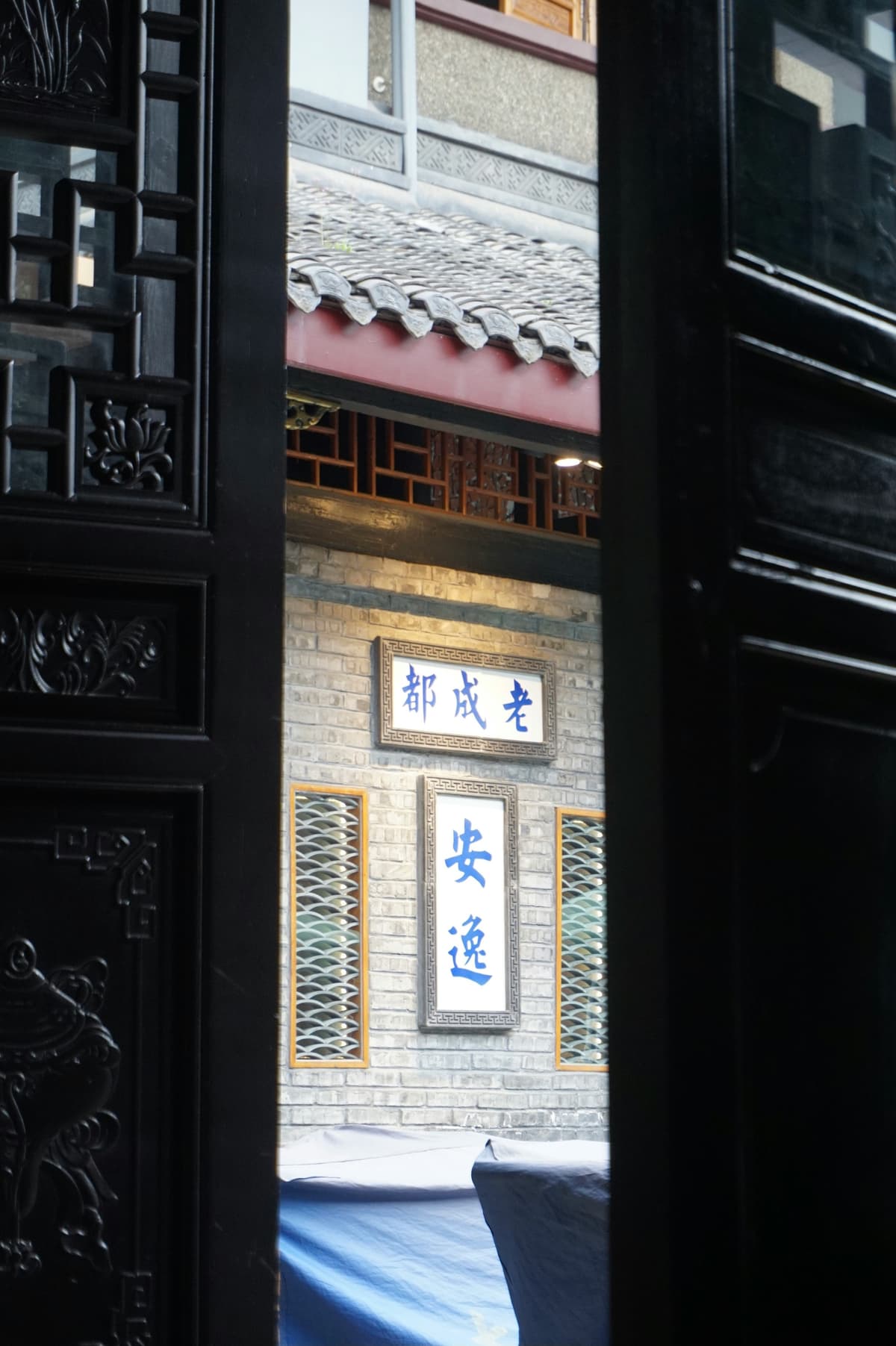











Image sources include Unsplash & Pexels.All details in “Licenses and Attribution”.